


Want to trade gold XAU CFD? Learn how to start, the advantages, and the key strategies to succeed in trading gold XAU CFDs.
Key Takeaways
- Gold CFDs allow investors to speculate on gold price movements without owning the physical asset, providing flexibility in trading strategies and the ability to profit from both rising and falling markets.
- Economic indicators, geopolitical tensions, and currency fluctuations significantly influence gold prices; staying informed about these factors can enhance trading strategies and market predictions.
- Effective gold CFD trading requires a solid understanding of risk management techniques, the application of technical analysis, and the selection of a reputable trading platform to optimize investment potential.
Understanding Gold CFDs
Trading gold CFDs offers several advantages:
- Allows investors to engage in price movements without physically owning gold, eliminating storage and security costs.
- Unlike physical gold, CFDs do not require delivery of the actual asset.
- Provides a more flexible trading strategy, including both long and short positions.
- Enables traders to profit from both rising and falling gold prices.
This flexibility makes gold CFDs work a versatile financial instrument.
Gold CFDs are derivatives that provide exposure to market price fluctuations without the concerns associated with owning physical gold. This means you can speculate on the price movements of gold, benefiting from potential gains without the logistical challenges of storing and securing the precious metal. Trading CFDs allows you to capitalize on short-term price movements and utilize diverse strategies to enhance your returns.
The ability to take both long and short positions is a significant advantage of gold CFDs. In a rising market, you can buy (go long) to capitalize on increasing prices. Conversely, in a falling market, you can sell (go short) to benefit from declining prices. This dual-directional trading capability makes gold CFDs a powerful tool for investors looking to diversify their portfolios and hedge against potential market downturns.
Factors Influencing Gold Prices

Economic indicators like inflation rates and interest rates significantly impact gold prices. Rising inflation generally boosts gold’s appeal as a store of value, making it a sought-after asset during times of economic instability. Monitoring these indicators helps develop effective gold trading strategies. Understanding the link between economic conditions and gold prices offers a competitive market edge.
Geopolitical tensions can also heighten demand for gold as individuals seek safe-haven assets during periods of uncertainty. For instance, during geopolitical conflicts or economic crises, the demand for gold typically increases, driving up its price. Staying informed about global market conditions and geopolitical events can help traders anticipate price movements and make informed trading decisions.
Currency fluctuations, particularly of the U.S. dollar, have a direct effect on gold pricing since it is traded globally in these currency pairs. A weaker dollar makes gold cheaper for investors holding other currencies, thereby increasing demand and driving up prices. Conversely, a stronger dollar can suppress gold prices. Monitoring currency trends enables traders to predict gold price movements and adjust strategies accordingly.
How to Start Trading Gold XAU CFDs
Start trading Gold XAU CFDs by following these steps:
- Create an account with a reputable broker like VT Markets.
- Complete the verification process by providing personal identification and financial details.
- After verification, deposit funds.
- Proceeding to start trading.
Setting up your trading account is a straightforward process but requires attention to detail to ensure compliance and security. After completing the account setup and verification, you can deposit funds through various methods such as bank transfer, credit card, or e-wallets. Managing your margin is also crucial, as it determines your leverage and potential returns.
With your account funded, you are ready to start trading Gold CFDs. It’s essential to familiarize yourself with the trading platform, understand how to execute trades, and utilize available tools and resources to maximize your trading opportunities. Following these steps ensures a smooth transition into gold CFD trading, allowing you to capitalize on market movements.
Setting Up Your Trading Account with VT Markets
When setting up a trading account with VT Markets, you’ll need to provide personal identification and financial details for verification. This process ensures that your account complies with regulatory standards and that your trading activities are secure. Accurate personal details and the information provided must be submitted to complete the verification process.
Once your verification is successful, you can begin exploring the trading opportunities available on VT Markets. Understanding the platform’s features and tools aids in making informed decisions. Proper account setup lays the foundation for successful trading.
Depositing Funds and Managing Margin
Depositing funds into your VT Markets trading account can be done through various methods, including bank transfers, credit cards, and e-wallets. Each method offers different processing times and fees, so it’s important to choose the one that best suits your needs.
Once your funds are deposited, you need to manage your margin effectively to maximize your trading potential. Margin management is crucial in CFD trading as it determines your leverage and the potential returns on your trades. It’s important to monitor your margin levels and ensure you have sufficient funds to cover your positions, avoiding margin calls and potential losses.
Wise fund management enhances trading experiences and minimizes risks for the intended investment based world company.
Utilizing Technical Analysis for Gold Trading
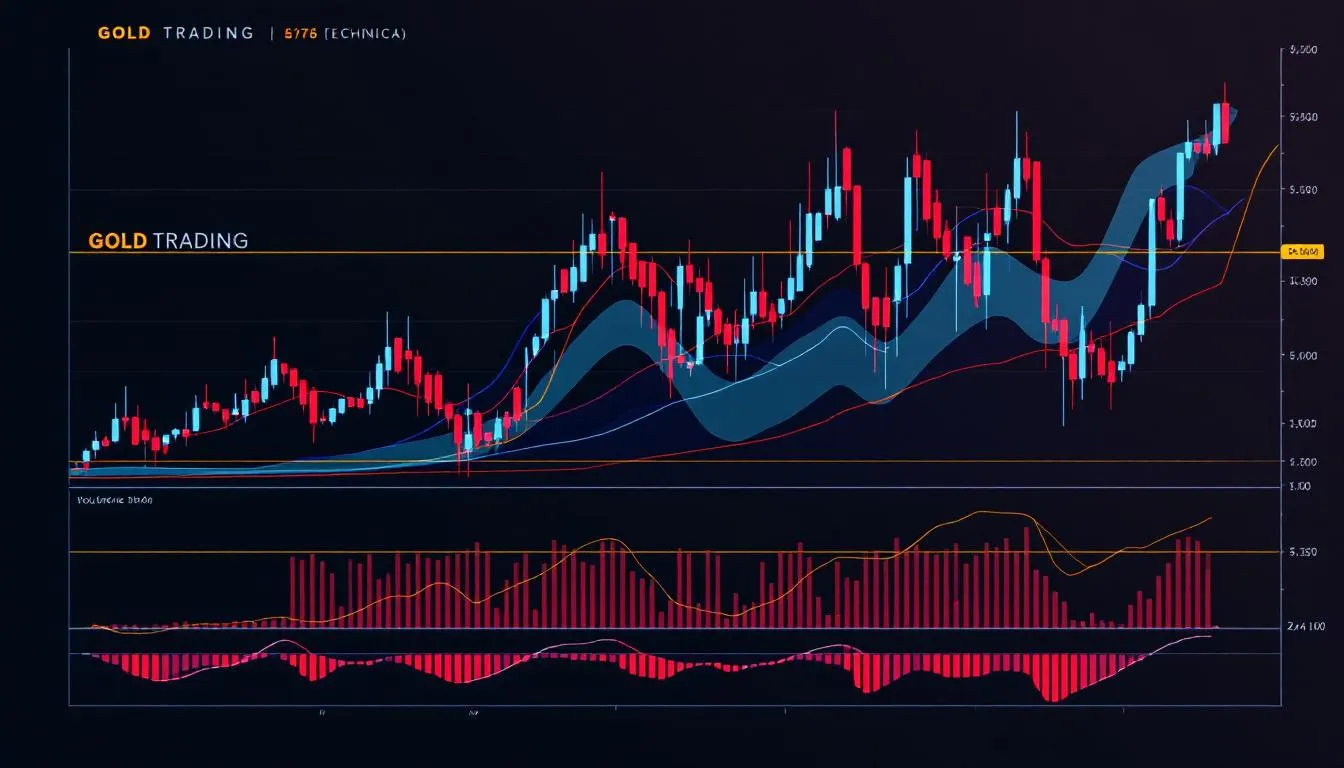
Technical analysis is a vital tool for forecasting gold price movements by analyzing past market data. Understanding market trends and applying technical analysis are essential strategies for maximizing profits when trading gold CFDs. Utilizing technical indicators and chart patterns can provide valuable insights into potential price movements, helping traders make informed decisions.
Candlestick patterns, support and resistance levels, and moving average crossovers are some key elements of technical analysis. These tools can reveal market sentiment and potential reversals, offering traders a clearer picture of the market dynamics. Access to real-time market data and analytics is crucial for making timely and accurate trading decisions.
Combining technical analysis with market research can significantly improve your trading strategies for gold CFDs. Analyzing historical data and current market conditions helps traders understand price trends and potential movements comprehensively. This holistic approach enhances your ability to capitalize on trading opportunities.
Key Indicators for Gold Trading
Moving averages are essential indicators that smooth out price data to help identify trends in gold prices over specific periods. They can also serve as dynamic support and resistance levels, aiding traders in determining market direction.
The Relative Strength Index (RSI) is another crucial tool, commonly used to identify overbought or oversold conditions in the gold market. Trend lines drawn on gold price charts can indicate the direction and strength of price movements, and it is important to note these trends.
Incorporating these key indicators into your strategy leads to more informed decisions and better success rates in the accuracy future performance gold market.
Interpreting Gold Trading Charts
Pivot points are technical indicators that predict support and resistance levels by averaging the high, low, and closing prices of a previous period. A market trading above its previous pivot point indicates a bullish signal, while trading below suggests a bearish signal. Understanding these signals can help traders anticipate price movements and make strategic trading decisions.
Support and resistance levels provide insight into possible future price reversals. Analyzing these levels on gold trading charts helps traders identify potential entry and exit points, enhancing their market trend capitalization. Mastering the interpretation of these charts is crucial for successful gold CFD trading.
The Role of Gold as a Safe Haven Asset

Gold has historically been viewed as a reliable symbol of stability and security during financial crises. During global crises, gold tends to increase in value, serving as a safe harbor for investors. This universal demand for gold, both for investment and industrial purposes, strengthens its position as a safe haven.
Gold CFDs are often employed as a protective measure against inflation, benefiting from their status as a safe-haven asset. Trading gold CFDs enables investors to safeguard portfolios during downturns, preserving capital and potentially profiting from rising prices. This dual benefit makes gold CFDs an attractive option for risk-averse traders.
Risks Involved in Gold CFD Trading
Trading gold CFDs involves significant exposure to market fluctuations due to the use of leverage, which can amplify both gains and losses. With leverage ratios ranging from 1:200 to as high as 1:3000, traders can control large positions with a relatively small investment, but this also increases the risk of losing money rapidly. Monitoring account equity and margin levels closely is crucial to avoid margin calls and premature liquidation.
Gold prices can experience extreme fluctuations due to various economic and geopolitical influences, leading to quick and significant changes in a trader’s account balance. Traders face counterparty risk, meaning the financial stability of the broker can directly impact the trader’s investments. Effective high risk management strategies are essential to mitigate these risks and protect your capital.
Using leverage in CFD trading can amplify both potential gains and potential losses. Implementing risk management techniques, such as setting stop-loss orders and maintaining a diversified portfolio, can help manage these risks effectively. Being aware of the inherent risks and taking proactive measures can enhance your trading experience and minimize potential losses.
Strategies for Successful Gold CFD Trading

Effective gold CFD trading requires the implementation of risk management techniques and a sound trading strategy to navigate market volatility. Strategies vary based on a trader’s experience and market conditions, but trend-following techniques can help capitalize on the general direction of gold prices. Utilizing technical analysis and market research can improve your trading strategies and increase your chances of success.
Investing in gold can offer a hedge against inflation that other precious metals may not provide to the same extent. Gold’s low correlation with stocks and bonds makes it a valuable tool for diversifying investment portfolios. Combining hedging and trend-following strategies allows traders to maximize returns and minimize risks.
The trading strategies for gold CFDs differ significantly from those for other metals like palladium, which may be driven more by supply constraints and industrial use. Understanding these differences is crucial for developing effective trading strategies tailored to the unique characteristics of each metal.
Hedging Against Inflation
As a hedge against inflation, gold helps preserve real asset values when prices rise. Gold CFDs can serve as a protective measure during periods of inflation, retaining value when currency values decline. Incorporating gold CFDs into your strategy provides an effective hedge against inflation and potential market movement benefits.
Utilizing gold CFDs offers investors a way to hedge against inflation effectively while potentially benefiting from market movements. This dual benefit makes gold CFDs a valuable addition to any investment portfolio, particularly during times of economic uncertainty.
Leveraging Market Trends
Traders can enhance their positions by observing market trends and price movements, allowing them to capitalize on potential fluctuations in gold prices. Understanding and leveraging market trends is crucial for successful gold CFD trading, as it allows traders to anticipate price movements and make informed decisions.
Traders often utilize current market trends, such as price momentum or historical data patterns, to make informed decisions in gold trading. Identifying and acting on these trends helps traders enhance profitability and maximize returns in the gold market. Understanding why trade gold is essential for successful investment strategies. Trade is a crucial element in this process.
Comparing Gold CFDs with Other Precious Metals
Gold CFDs are favored for their liquidity and global recognition compared to other precious metals, which may have varying levels of market accessibility. Silver, while cheaper than gold, often exhibits greater price volatility, making it riskier for short-term trading. Understanding these differences can help traders choose the right precious metal for their investment strategy in a liquid market.
The supply of gold is influenced by mining output, recycling trends, and sales from central banks, all of which can cause price fluctuations. In summary, while gold CFDs offer high liquidity and less price volatility compared to silver, traders must consider supply influences that can affect pricing strategies.
Choosing the Right Trading Platform
To start trading gold CFDs, follow these steps:
- Choose a reliable broker with access to gold markets.
- Research and select regulated brokers to ensure compliance with legal standards.
- Use VT Markets’ demo account option to practice without risking real money. You can also explore how to trade gold effectively.
A good trading platform for gold CFDs should offer:
- Low spreads and competitive fees to maximize profit margins.
- A user-friendly interface for quick and efficient trading.
- Robust security features to protect your funds and personal information.
Ensure the trading platform offers reliable customer support services to guarantee assistance to clients with any issues that may arise. By choosing the right trading platform, you can enhance your trading experience and maximize your returns.
Legal and Regulatory Considerations
Regulatory frameworks governing CFD trading vary by region, and traders must understand these regulations to avoid potential legal issues. It’s crucial to choose regulated brokers to ensure compliance with legal standards and protect your investments.
By understanding the legal and regulatory aspects of trading CFDs, you can mitigate risks and ensure your trading activities are secure and compliant. This knowledge is essential for making informed trading decisions and maintaining a successful trading career.
Summary
Trading gold CFDs offers a unique opportunity to engage with the financial markets and capitalize on gold price movements without owning the physical asset. By understanding the fundamentals of gold CFDs, the factors influencing gold prices, and the importance of technical analysis, traders can develop effective strategies to maximize their investment potential. Setting up a trading account with a reputable broker like VT Markets, managing funds and margin, and choosing the right trading platform are critical steps for a successful trading journey.
Effective risk management, leveraging market trends, and using gold CFDs as a hedge against inflation are essential strategies for navigating the complexities of gold CFD trading. By staying informed about global market conditions, regulatory considerations, and the unique characteristics of gold compared to other precious metals, traders can make informed decisions and enhance their profitability. Embrace the opportunities that gold CFD trading offers and take your investment potential to new heights.
Frequently Asked Questions
What are the benefits of trading gold CFDs over owning physical gold?
Trading gold CFDs offers significant advantages over owning physical gold, including the elimination of storage and security costs while providing the flexibility to profit from both rising and falling market conditions. This approach allows for efficient capital use and ease of transaction.
What economic indicators should I monitor for gold trading?
It is essential to monitor inflation rates and interest rates, as rising inflation enhances gold’s value as a safe haven. Additionally, keep an eye on geopolitical events and fluctuations in the U.S. dollar, as these factors significantly influence gold prices.
How do I start trading gold CFDs?
To start trading gold CFDs, choose a reputable broker, complete the necessary verification with your personal information, deposit funds, and begin your trading journey. This structured approach will set a solid foundation for your CFD trading experience.
What are the key indicators for gold trading?
The key indicators for gold trading include moving averages for trend identification, the Relative Strength Index (RSI) for spotting overbought or oversold conditions, and trend lines on price charts to assess price movement direction and strength.
What are the risks involved in gold CFD trading?
The risks involved in gold CFD trading are substantial, primarily due to the leverage that can amplify both gains and losses. Additionally, traders must consider counterparty risk and the possibility of drastic account balance changes resulting from extreme market fluctuations.